
Benefits of Electrostatic Air Filters: 5 Key Advantages
The main benefits of electrostatic air filters are their washable and reusable design, lower long-term replacement costs, reduced filter waste, capture of common airborne particles, and ability to support good HVAC airflow when properly maintained.
These advantages make washable electrostatic air filters appealing to homeowners and facility managers who want a reusable alternative to disposable HVAC filters. However, their value depends on regular cleaning, the actual filtration performance of the filter, and compatibility with the HVAC system.
Electrostatic filters use static electrical attraction to help airborne particles stick to the filter media. For a detailed explanation of the technology, see our guide to what an electrostatic air filter is and how it works.
1. Washable and Reusable
One of the biggest benefits of electrostatic air filters is that many models can be washed and reused instead of being discarded after a few months of service.
A washable electrostatic air filter can be removed from the HVAC system, cleaned, allowed to dry, and installed again. This makes it different from most disposable filters, which must be replaced once they become dirty or reach the end of their recommended service period.
For users who operate HVAC systems throughout the year, a reusable filter can also reduce the need to keep buying and storing replacement filters in the correct size.
2. Lower Long-Term Filter Replacement Costs
Reusable electrostatic air filters can reduce long-term replacement costs because the same filter can be cleaned and used repeatedly.
The initial purchase price of a washable filter may be higher than that of a basic disposable filter. Over time, however, users may make fewer replacement purchases.
The actual savings depend on several factors, including:
- the initial cost of the electrostatic filter
- how frequently disposable filters would otherwise be replaced
- how long the reusable filter remains serviceable
- how consistently the filter is cleaned and maintained
For homeowners or facilities that replace HVAC filters frequently, reducing the number of replacement purchases can be one of the most practical electrostatic air filter benefits.
3. Less Disposable Filter Waste
A reusable electrostatic air filter can reduce the number of disposable HVAC filters that are thrown away.
Standard disposable filters are replaced repeatedly throughout the life of an HVAC system. A washable filter can remain in use through multiple cleaning cycles, reducing the number of used filters that need to be discarded.
This can also reduce the packaging associated with repeated filter purchases. The benefit is particularly relevant for buildings that operate several HVAC units and would otherwise use a large number of disposable filters over time.
The advantage should still be described as reduced filter waste rather than assuming that every reusable filter has a lower overall environmental impact. Product life, materials, cleaning, and disposal practices can all affect the final result.
4. Helps Capture Dust, Pollen, Lint, and Pet Dander
A clean electrostatic air filter can help capture common airborne particles such as dust, pollen, lint, and pet dander as air moves through an HVAC system.
Static attraction helps particles adhere to the filter media instead of continuing through the air-handling system. For homes and buildings primarily concerned with everyday dust and larger airborne particles, this can support routine indoor air filtration.
This does not mean that every electrostatic filter provides the same level of filtration. Performance varies according to the filter design, particle size, filtration rating, airflow, and how well the filter is maintained.
Users who need stronger fine-particle filtration should compare the actual performance rating of the electrostatic filter with suitable higher-efficiency alternatives rather than choosing a filter based only on the word “electrostatic.”
5. Can Support Good HVAC Airflow When Clean
Many washable electrostatic air filters are designed to allow steady airflow through the HVAC system when the filter is clean and properly fitted.
Airflow is important because the HVAC system must continue moving enough air through the return and supply system while the filter captures particles.
The benefit depends heavily on maintenance. As dust and debris accumulate on the filter, airflow resistance can increase. A washable electrostatic filter therefore provides the greatest benefit when it is cleaned before heavy buildup develops.
Filter size, design, filtration efficiency, and the HVAC system itself also affect airflow. Before changing filter type, confirm that the filter is compatible with the equipment manufacturer’s airflow requirements.
What Are the Drawbacks of Electrostatic Air Filters?
The main drawback of a washable electrostatic air filter is that its reusable design requires regular maintenance. The benefits of lower replacement frequency and reduced waste are only useful if the filter is cleaned consistently.
| Benefit | Trade-Off |
|---|---|
| Washable and reusable | Needs regular cleaning and complete drying |
| Fewer replacement purchases | Usually has a higher upfront cost than a basic disposable filter |
| Captures common airborne particles | Fine-particle performance varies by filter design and rating |
| Can support steady airflow when clean | Dirt buildup can increase airflow resistance |
| Reduces disposable filter waste | Requires ongoing user maintenance |
Electrostatic filters may also be less suitable when very high fine-particle efficiency is the main requirement. In those situations, a higher-efficiency pleated filter or a dedicated HEPA-based filtration system may be more appropriate, depending on the HVAC equipment.
How Maintenance Affects the Benefits
Regular cleaning is essential if you want a washable electrostatic air filter to continue providing its intended filtration and airflow benefits.
Many washable electrostatic filters are cleaned about once a month, although the correct schedule depends on the filter manufacturer, HVAC usage, indoor dust levels, pets, pollen, and other conditions.
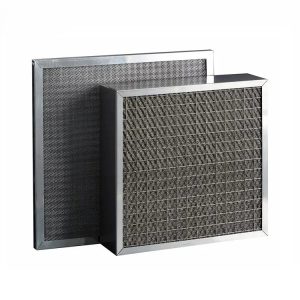
Basic maintenance generally involves removing the filter, rinsing or washing it according to the manufacturer’s instructions, allowing it to dry completely, and reinstalling it in the correct airflow direction.
A dirty filter can reduce airflow and filtration performance, while reinstalling a wet filter may introduce unwanted moisture into the HVAC system. A reusable filter therefore saves replacement effort only when regular cleaning is practical for the user.
Who Benefits Most From an Electrostatic Air Filter?
Electrostatic air filters are generally most useful for people who want reusable HVAC filtration for routine particle control and are willing to perform regular maintenance.
| Good Fit | May Not Be the Best Fit |
|---|---|
| Users who want a washable and reusable HVAC filter | Users who prefer a maintenance-free replacement routine |
| Homes dealing with routine dust, pollen, lint, and pet dander | Applications where very fine-particle filtration is the main priority |
| Users who want fewer disposable filter purchases | Users who are unlikely to clean the filter regularly |
| Facilities looking to reduce recurring filter waste | HVAC systems that require a specific filter type or efficiency rating |
The right choice should always match the filtration requirement of the building and the airflow requirements of the HVAC equipment.
Are Electrostatic Air Filters Worth It?
Electrostatic air filters can be worth it when reusability, lower replacement frequency, reduced filter waste, and routine dust control are more important than maximum fine-particle filtration.
They are particularly practical for users who are comfortable washing the filter regularly and want to avoid purchasing disposable HVAC filters as often.
They may be less suitable when maintenance convenience or higher fine-particle efficiency is the main priority. In those cases, a disposable pleated filter or another higher-efficiency filtration solution may provide a better fit.
The decision ultimately comes down to four factors: filtration performance, HVAC compatibility, maintenance effort, and long-term replacement cost.
Frequently Asked Questions
Do Electrostatic Air Filters Save Money?
They can reduce long-term replacement costs because many electrostatic filters are washable and reusable. The amount saved depends on the filter’s purchase price, service life, maintenance, and how often comparable disposable filters would otherwise need to be replaced.
Do Electrostatic Air Filters Lose Performance When Dirty?
Dirt buildup can affect both filtration and airflow. Regular cleaning helps the filter continue operating as intended. The appropriate cleaning schedule depends on the product and the conditions in which the HVAC system operates.
Are Electrostatic Air Filters Good for Homes With Pets?
A clean electrostatic air filter can help capture common particles associated with pets, including pet dander, lint, and household dust. Actual performance depends on the filter design, rating, airflow, and maintenance.
Final Thoughts on the Benefits of Electrostatic Air Filters
The biggest benefits of electrostatic air filters are straightforward: they can be washed and reused, reduce recurring replacement purchases, create less disposable filter waste, capture common airborne particles, and support good HVAC airflow when properly maintained.
These advantages make electrostatic filters a practical option for routine HVAC filtration when users value reusability and are willing to clean the filter regularly. The best choice still depends on the filtration performance required by the building and the airflow requirements of the HVAC system.