
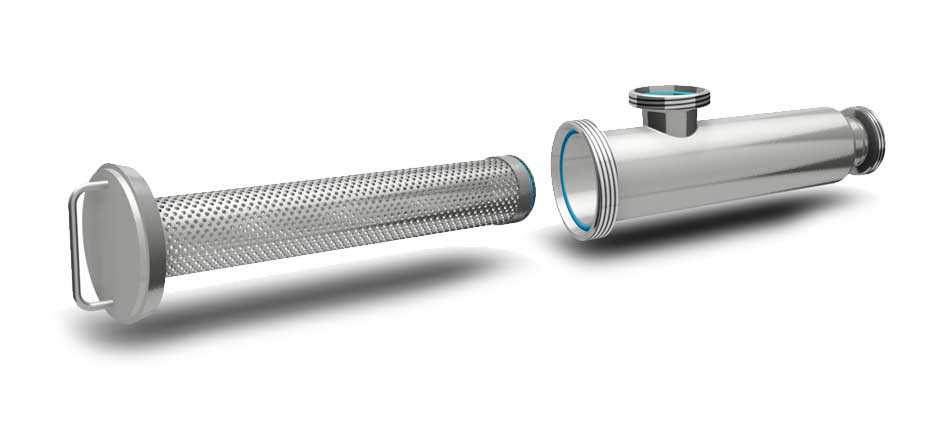
Sanitary Angle-Type Strainer
The Saifilter angle-type strainer is a cleanable stainless steel pipeline strainer with inlet and outlet connections arranged at 90 degrees. It combines coarse particle retention with a change in flow direction, making it suitable for compact sanitary process lines where pumps, valves, instruments or downstream equipment require protection from entrained solids.
The standard product information covers 304 and 316L stainless steel construction, nominal sizes from DN20 to DN200 (3/4″ to 6″), and replaceable metal elements rated from 10 to 400 mesh. The final configuration is selected against the process medium, particle size, flow rate, connection standard and cleaning procedure.
How an Angle-Type Strainer Works
Unfiltered liquid enters the housing and is directed through the removable cylindrical element. Particles larger than the selected screen opening are retained on the element surface, while the screened liquid leaves through the outlet positioned at a right angle to the inlet.
The element provides the active screening surface; the housing contains the process pressure and directs the flow. As solids accumulate, resistance through the element increases. Cleaning frequency should therefore be based on the actual solids loading and the maximum differential pressure permitted for the selected element.
Housing and Connection Configurations
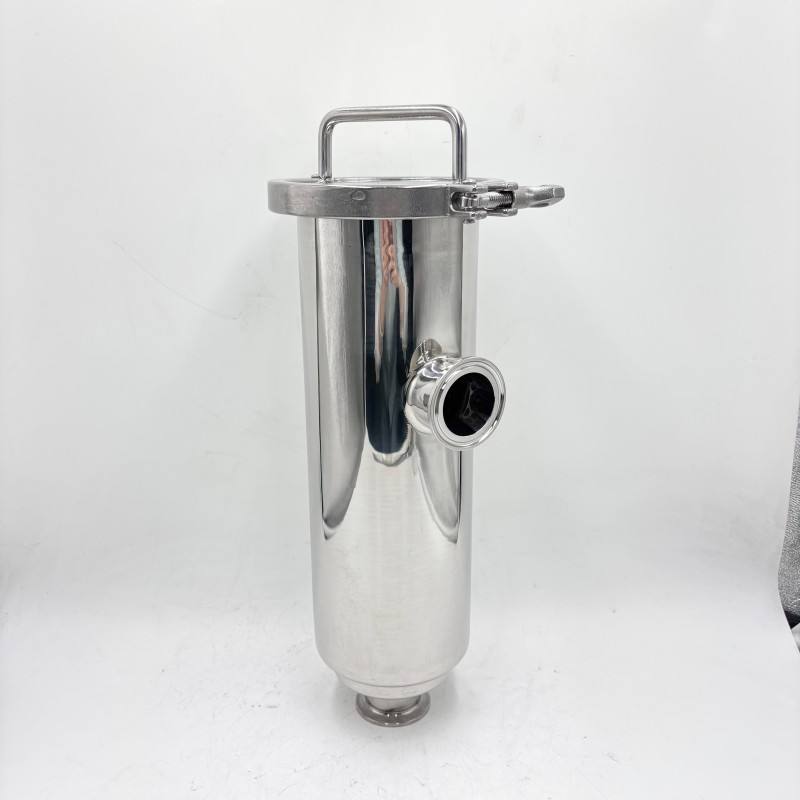
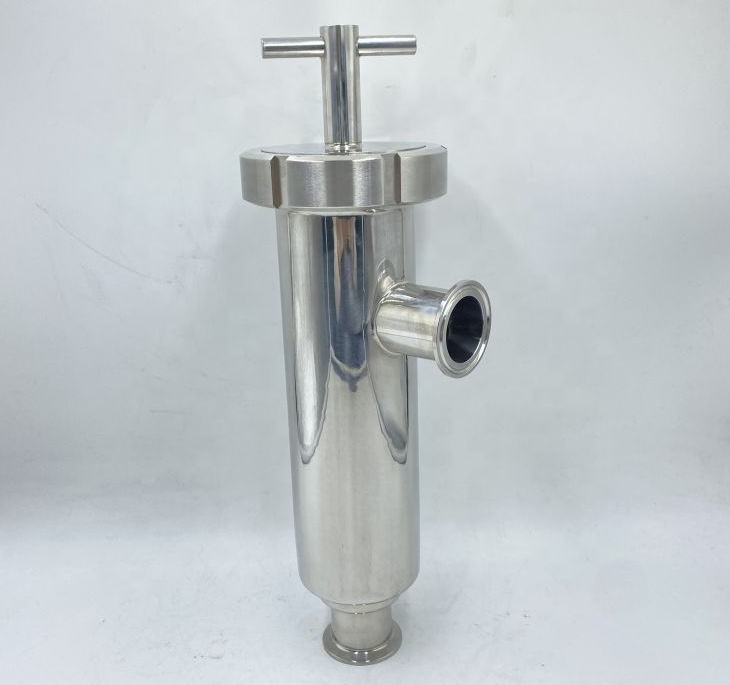
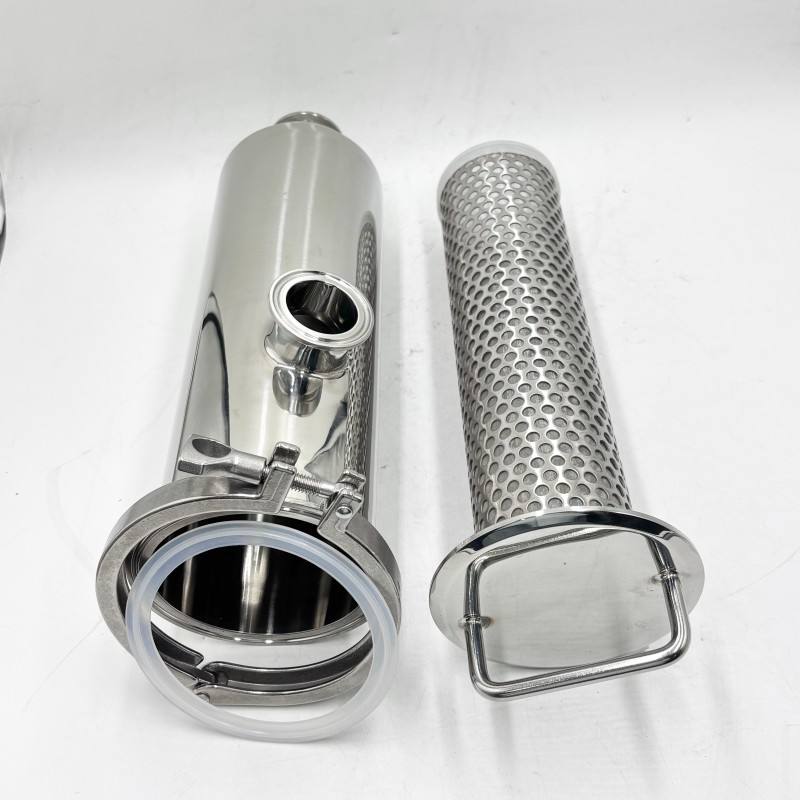
Closure and connection details are matched to the piping layout and maintenance requirements. An angle-type body turns the process flow through 90 degrees. Where the inlet and outlet must remain on the same axis, a welded straight strainer provides an in-line arrangement, while a welded Y-type strainer places the removable screen in an angled branch off the main flow path. The photographs below illustrate available angle-type construction styles; they should not be treated as a dimensional drawing or as confirmation of a specific connection standard.
Removable Stainless Steel Element
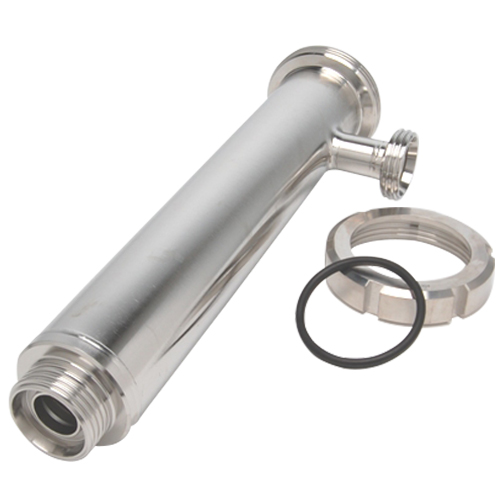
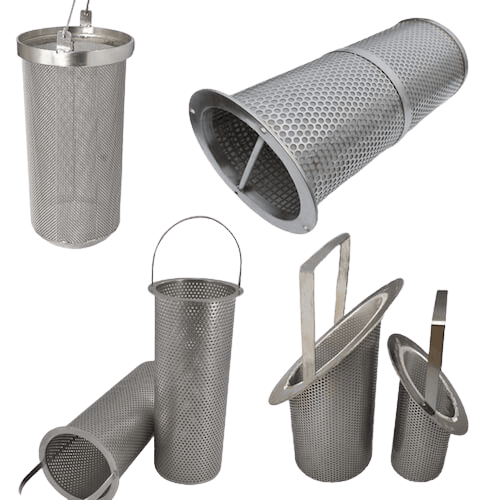
The element is withdrawn through the service opening after the line has been isolated, depressurized and drained. This allows the screening surface and gasket area to be inspected without cutting the housing out of the pipeline. Its removable cylindrical construction follows the same basic screening function used in industrial filter strainer baskets, but the dimensions, end geometry and flow direction are specific to the angle-type housing.
- 304 or 316L stainless steel housing and metal element
- Perforated support construction for mechanical stability
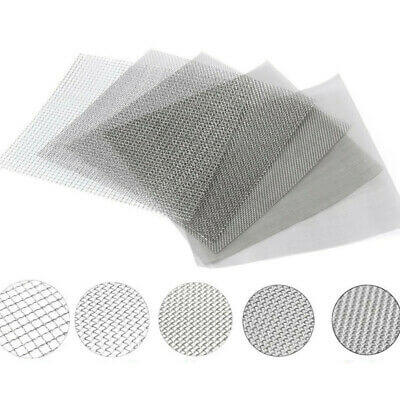
- Woven metal mesh can be incorporated when a finer rating is required
- Nominal catalogue filtration range: 10 to 400 mesh
- Element dimensions and flow direction are matched to the housing
The element rating, support thickness and allowable differential pressure must be confirmed together. A finer screen does not automatically provide the best service life or flow capacity.
Element Construction and Filtration Rating
Element construction should be selected from the required retained particle size and the mechanical load created by flow and differential pressure. Saifilter confirms the element design after reviewing the operating data.
Perforated Metal Element
A rigid, washable screen for coarse particle interception. Hole diameter, open area and plate thickness are selected together.
Best suited to coarse screening
Perforated Support with Wire Mesh
Stainless steel filter mesh provides the specified screening grade while the perforated cylinder supports the mesh against deformation.
Catalogue range: 10-400 mesh
Custom Metal Element
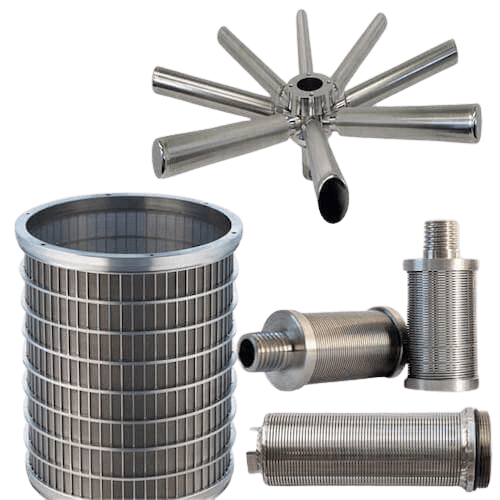
Element diameter, length, end construction and screening medium can be adapted when the standard arrangement does not match the process duty. For slotted filtration, wedge wire screens use continuous slot openings rather than woven-wire apertures and require separate hydraulic and mechanical evaluation.
Confirmed from application data
Angle-Type Strainer Technical Data
| Parameter | Reference Specification |
|---|---|
| Product type | Welded sanitary angle-type strainer |
| Nominal size range | DN20-DN200 / 3/4″-6″ |
| Material | 304 or 316L stainless steel |
| Filtration range | 10-400 mesh |
| Surface finish options | Mirror polished, brushed/matt polished or sandblasted |
| Optional construction | Insulation jacket available according to customer requirements |
Project-specific limits: working pressure, design temperature, connection standard, gasket material, surface roughness and allowable differential pressure are not fixed by the general catalogue data. These values must be confirmed in the approved quotation and drawing before purchase or installation.
DIN Reference Dimensions (mm)
| DN | d1 | d2 | A | B | L |
|---|---|---|---|---|---|
| 25 | 26 | 70 | 75 | 250 | 306 |
| 32 | 32 | ||||
| 40 | 38 | 70 | 75 | 250 | 306 |
| 50 | 50 | 300 | 406 | ||
| 65 | 66 | 114.3 | 100 | 380 | 503 |
| 80 | 81 | 129.0 | 110 | 420 | 561 |
| 100 | 100 | 139.7 | 125 | 500 | 660 |
Inch Reference Dimensions (mm)
| Size | d1 | d2 | A | B | L |
|---|---|---|---|---|---|
| 1″ | 22.1 | 70 | 75 | 250 | 306 |
| 1-1/2″ | 34.8 | ||||
| 2″ | 47.5 | 70 | 75 | 300 | 406 |
| 2-1/2″ | 60.2 | 114.3 | 100 | 380 | 503 |
| 3″ | 72.9 | 114.3 | 100 | 420 | 561 |
| 4″ | 97.4 | 139.7 | 125 | 500 | 660 |
Dimensions are reproduced from the supplied product data and are for selection reference. Use the approved manufacturing drawing for fabrication, piping layout and installation.
Element Removal, Inspection and Cleaning
Isolate, drain and depressurize
Stop the pump, isolate both sides of the strainer and verify zero internal pressure before opening the closure.
Remove the cover and element
Open the clamp or threaded closure using the approved site procedure, then withdraw the element without damaging its sealing surfaces.
Clean and examine the screen
Use a cleaning method compatible with the process residue and element material. Inspect for blocked openings, tears, distortion and failed welds.
Inspect the gasket and reassemble
Replace any damaged or incompatible gasket, seat the element correctly and close the housing before controlled recommissioning.
Typical Applications
Angle-type strainers are used as protective screening devices in liquid process lines. Suitability depends on the medium, temperature, pressure, hygienic requirements and the selected seal and finish. Where solids loading is high or uninterrupted operation is required, an automatic self-cleaning filter represents a different system configuration and should be evaluated separately rather than treated as a direct equivalent.
Ingredients and Process Liquids
Screen unwanted solids before pumps, valves, filling equipment or spray devices.
Beverage Process Lines
Provide cleanable protective screening where the specified finish and seals meet the process standard.
Dairy Product Lines
Retain coarse particles in stainless steel pipework subject to confirmed hygienic design requirements.
Compatible Process Liquids
Material certificates, surface finish and gasket compatibility must be specified for the duty.
Equipment Protection
Intercept debris upstream of pumps, instruments, nozzles and other restricted passages.
Liquid Pre-Screening
Use only after corrosion compatibility, viscosity and cleaning requirements have been reviewed.
Information Required for Correct Selection
Process Data
- Fluid name, composition and viscosity
- Normal and maximum flow rate
- Normal and design pressure and temperature
- Particle size distribution and solids loading
- Required retention rating and acceptable pressure drop
Mechanical and Hygienic Data
- Pipe size, connection type and connection standard
- Required housing and element material grade
- Gasket material and process compatibility
- Internal and external surface finish requirement
- Installation orientation, service clearance and cleaning method
Is an angle-type strainer the same as an L-type strainer?
These terms are often used for a strainer whose inlet and outlet are arranged at 90 degrees. They do not define the connection standard, flow direction or internal dimensions, so the approved drawing remains the controlling document.
How does it differ from a Y-type strainer?
An angle-type strainer incorporates a right-angle change in the process line. A Y-type strainer normally has an in-line flow path with the screen located in an angled branch. Installation space, pressure drop and element access should be compared for the actual duty.
Does 100 mesh always equal the same micron rating?
No. Mesh count alone is insufficient because aperture size also depends on wire diameter and weave. Specify the particle retention requirement, and confirm the resulting nominal opening in the technical offer.
How should the pressure drop be evaluated?
Clean and loaded pressure drop depend on flow rate, fluid density and viscosity, connection size, element open area and retained solids. A project-specific calculation requires complete process data.
Can the stainless steel element be reused?
It is intended to be cleanable, but reuse is acceptable only when the screen, support, welds and sealing surfaces remain undamaged and the cleaning method is compatible with the process.
Which details must be confirmed before ordering?
Confirm size and connection standard, materials, screen opening, design pressure and temperature, gasket, finish, flow direction, dimensions, certificates and any hygienic or validation requirements.
 Industrial Filter Strainer Baskets
 Stainless Steel Filter Mesh
 Wedge Wire Filter Elements
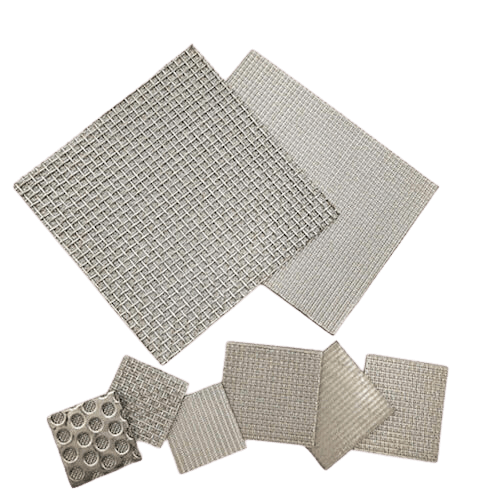 Sintered Wire Mesh
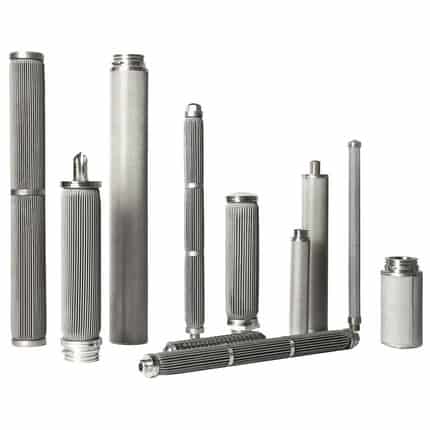 Stainless Steel Filter Cartridges
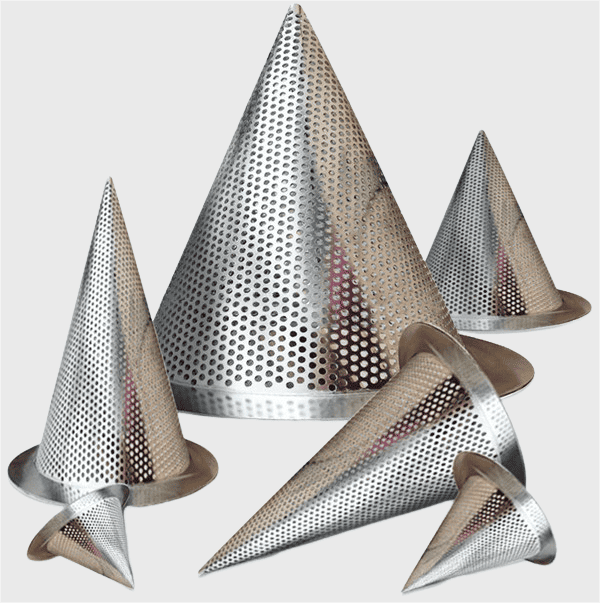 Temporary Strainers
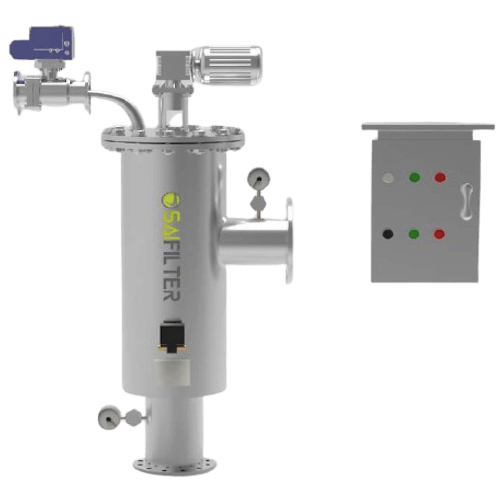 Automatic Self Cleaning Filter
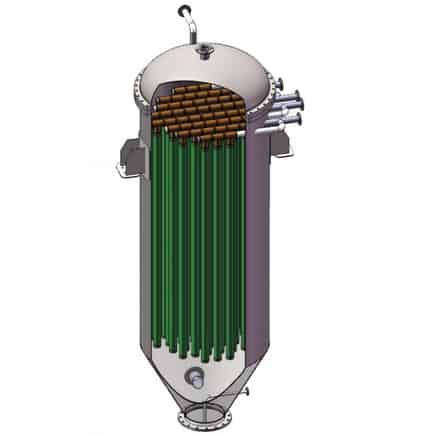 Industrial Candle Filter System